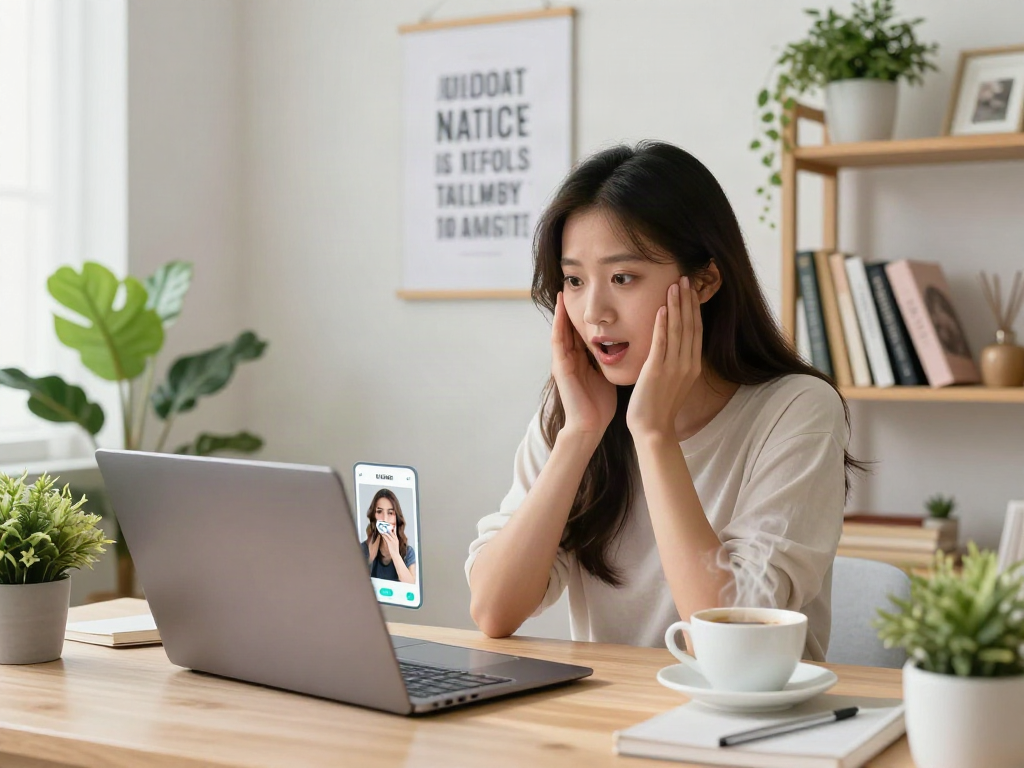
Understanding the Attractive Test: Science and Technology
The concept of attractiveness has fascinated humans for centuries, intertwining itself into various facets of life from dating to marketing. In recent years, the advent of technology, particularly artificial intelligence (AI), has brought about innovative methods of assessing physical attractiveness. One such method is the attractive test, which aims to provide users with insights into their facial appeal through sophisticated algorithms and data analysis. This article delves into the science and technology behind these tests, illuminating how they function and what factors they take into consideration.
What is an Attractive Test?
An attractive test is a tool designed to analyze facial features and provide a quantitative score based on perceived attractiveness. Leveraging AI and machine learning, these tests assess various elements such as symmetry, proportions, and other facial metrics to generate results. Users typically upload a photograph and, within seconds, receive an attractiveness score, often on a scale of 1 to 10 or a percentage format. This immediate feedback has contributed significantly to the popularity of online attractiveness assessments.
How AI Powers Attractiveness Assessments
Artificial intelligence plays a crucial role in powering attractiveness assessments. By utilizing advanced image recognition technologies, AI algorithms are capable of identifying and analyzing key facial features, including the distance between eyes, symmetry, and jawline definition. These features are then compared against established beauty standards, such as the golden ratio, to determine an attractiveness score. The capacity of AI to process large datasets allows for continuous improvement of these models, making them increasingly reliable over time.
The Role of Facial Symmetry in Attraction
Facial symmetry is often regarded as a significant indicator of attractiveness. Numerous studies have suggested that symmetrical faces are generally perceived as more appealing. This perception is thought to stem from evolutionary bases, where symmetry may signal genetic health and fitness. The attractive test algorithms frequently emphasize facial symmetry among their metrics, assigning higher scores to users with more symmetrical features. However, it's important to note that while symmetry plays a role, it is just one of many factors that influence overall attractiveness.
Preparing for Your Attractive Test: Best Practices
Before undergoing an attractiveness test, it's essential to prepare adequately to ensure the best possible outcome. The results of these tests can vary significantly based on several factors, including image quality and the context in which the photo is taken. Following best practices can help yield more accurate and satisfying assessments.
Choosing the Right Photo for Best Results
Selecting the right photo is crucial for accurate results. Ideally, you should choose a frontal image with your face clearly visible. Avoid images with heavy makeup or filters that may distort your natural features. The goal is to present a genuine representation of yourself. A clear, well-lit photograph will often produce the most reliable results from the attractiveness test.
Understanding Lighting and Angles
Lighting can significantly impact how your facial features are perceived. Natural light, for instance, often provides the most flattering and accurate representation. Try to avoid harsh artificial lighting or shadows that could alter the perception of your facial symmetry and structure. Additionally, positioning your face directly towards the camera can enhance the clarity of your features, producing a more precise analysis.
Common Misconceptions about Attractiveness
There are many misconceptions surrounding attractiveness tests. One common myth is that these tests are definitive measures of worth or personal value; however, it is vital to understand that attractiveness is subjective and influenced by cultural and individual preferences. Additionally, while AI technology provides valuable insights, it is not infallible and should be considered as a tool for self-exploration rather than a means to define self-worth.
Interpreting Your Attractive Test Results
After completing an attractiveness test, users are presented with scores and sometimes additional analysis. Understanding how to interpret these results is critical for deriving value from the experience.
What Do the Scores Mean?
The scores generated by attractiveness tests typically reflect a combination of various factors, including facial symmetry, proportion, and aesthetic appeal based on recurring beauty standards. Different tests may have different scoring systems, but generally, a higher score indicates a face that aligns more closely with these standards.
Factors Influencing Your Attractiveness Score
Several factors can influence your attractiveness score beyond facial symmetry. These include skin quality, facial expressions, and even hair styling. Tests may also factor in cultural beauty ideals, which can vary significantly from one region to another. Understanding these nuances can help users appreciate the complexity of attractiveness assessments.
Using Feedback for Personal Growth
Regardless of the score received, individuals can use feedback from attractiveness tests constructively. Many people may focus on specific areas for personal growth or improvement based on the analysis provided. For instance, users might choose to enhance their skincare routine, experiment with hairstyles, or even adjust their makeup techniques based on what the test highlighted.
Real-Life Applications of Attractive Tests
The implications of attractiveness tests extend into various real-life applications, including personal development and social interactions. Understanding these applications can help users make informed decisions about their perceptions of beauty.
Enhancing Self-Confidence through Self-Assessment
For many individuals, attractiveness tests can serve as a tool for enhancing self-confidence. Receiving a favorable score can boost one’s self-esteem, while a lower score can provide insights into areas where improvements might be made. Ultimately, these tests can encourage individuals to embrace their unique features rather than adhering strictly to societal beauty standards.
Improving Your Appearance with Expert Tips
Many attractiveness tests come equipped with suggestions for improvement based on the analysis. Users can receive expert tips on grooming, styling, and even techniques for posing in photos to enhance their perceived attractiveness. Implementing these suggestions can lead to a more confident presentation in social or professional settings.
Case Studies: Success Stories from Attractive Tests
Numerous success stories exist, showcasing how individuals have leveraged attractiveness tests for personal growth. From improving self-image to making significant lifestyle changes, many users report positive transformations after gaining insights from these assessments. These stories underline the potential of an attractive test as a catalyst for change in one’s life.
Future Trends in the Attractive Test Industry
As technology continues to advance, the attractiveness test industry is expected to evolve significantly. Understanding forthcoming trends can provide insights into how these assessments will shape perceptions of beauty in the years to come.
Emerging Technologies and Innovations
Future attractiveness tests are likely to integrate even more sophisticated technologies, such as augmented reality (AR) and virtual reality (VR). These technologies could allow users to visualize potential changes to their appearance in real-time, making the assessment process even more interactive and personalized.
Social Media and its Influence on Attractiveness
Social media platforms heavily influence beauty standards and perceptions, contributing to the growing popularity of attractiveness tests. As users seek validation through likes and comments, the appeal for technological validation of beauty is likely to increase. This trend may further fuel the development of AI-driven attractiveness assessments that cater to the aesthetics favored on these platforms.
Predictions for 2026 and Beyond
Looking ahead to 2026, it is expected that attractiveness tests will become more accessible and user-friendly, reaching a broader audience. As awareness grows, so will discussions around the implications of such assessments regarding self-image and societal standards of beauty. Additionally, as the technology matures, the accuracy and reliability of these tests are anticipated to improve.
What is the Accuracy of AI Attractiveness Tests?
The accuracy of AI-based attractiveness tests is a topic of ongoing research and debate. While they provide interesting insights and can reflect certain beauty standards, it is essential to remember that they are not definitive. Various elements, such as cultural differences and personal biases, can influence perceptions of beauty, making absolute accuracy difficult to achieve.
Is Attractiveness Subjective or Objective?
Attractiveness blends both subjective and objective elements. While some scientific principles, such as symmetry, may have objective merit, personal and cultural preferences inevitably shape how attractiveness is perceived. This duality underscores the importance of taking a holistic approach when considering attractiveness assessments.
Are AI Tests Reliable for Personal Assessment?
AI attractiveness tests can offer valuable insights but should be approached with caution. They can provide a framework for understanding societal beauty ideals and individual features but are not a measure of self-worth. Users should use the feedback as a guide rather than an absolute determination of value.