Understanding the Concept of Celebrity Look-Alikes
The fascination with celebrity look-alikes is a phenomenon that transcends cultures and generations. Many people find joy in discovering which famous personalities they resemble, often leading to delightful conversations and social interactions. The urge to look like celebrities taps into our desire for connection, validation, and a bit of fun. This article delves into the intricacies of celebrity look-alikes, exploring their historical context, psychological underpinnings, and the technological advancements that allow individuals to find their famous doppelgängers.
What Does It Mean to Look Like Celebrities?
Looking like a celebrity means sharing physical traits, such as facial features, hairstyles, or body types, with someone famous. This resemblance can spark admiration or envy from others and often encourages individuals to share their newfound connection to stardom. The quest to find one's celebrity equivalent is not just for fun; it also holds the potential for boosting self-esteem and providing a unique point of social interaction.
Historical Context: Celebrity Look-Alikes Through the Ages
Throughout history, the concept of look-alikes has persisted in various forms. In ancient cultures, individuals believed that looking like a particular deity or hero could bestow certain qualities or favor upon them. The Renaissance brought about a fascination with portraits that captured the likeness of influential figures. In modern times, the rise of film and media accelerated the allure of celebrity likenesses, as people began to idolize stars and want to emulate their looks and lifestyles.
Explore the Psychological Fascination Behind Look-Alikes
The psychological appeal of looking like celebrities can be traced to various factors. From a cognitive standpoint, people are naturally drawn to familiar faces, leading to a preference for individuals who resemble well-known figures. Furthermore, resembling a celebrity can contribute to a sense of belonging and social identity, fulfilling human needs for connection and esteem. Lastly, in our image-driven society, look-alikes can serve as a way to project an aspirational self-image to others.
The Technology Behind Finding Your Celebrity Twin
Advancements in technology have ushered in a new era for those seeking to discover their celebrity doppelgängers. The introduction of facial recognition algorithms and machine learning techniques has made it easier than ever to pair ordinary individuals with famous personalities. These technological frameworks enable users to upload their photos and quickly receive results showcasing their closest celebrity matches.
How Celebrity Look-Alike Apps Work: A Deep Dive
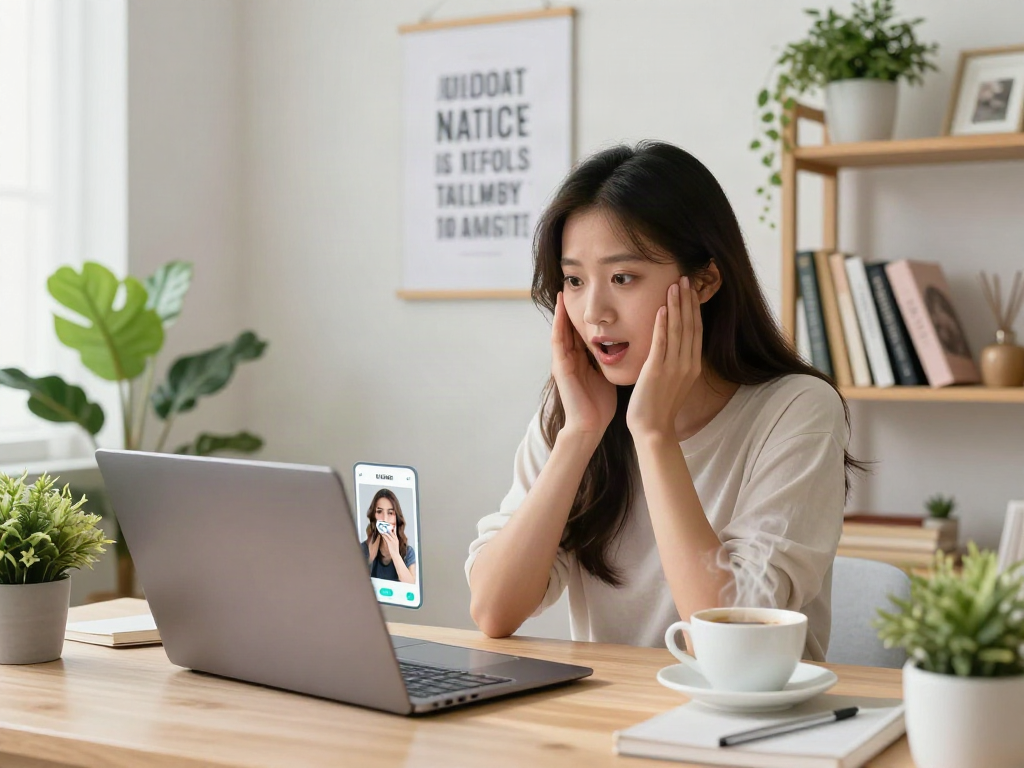
Celebrity look-alike apps function through sophisticated algorithms that analyze facial features. When a user uploads their image, the app scans it for key characteristics such as facial contours, distance between eyes, and nose shape. After the analysis, the app compares these features to a database of celebrity images to suggest the closest matches. Some popular apps offer a fun interactive experience, allowing users to share their results with friends or on social media.
AI and Face Recognition: The Future of Matching
As artificial intelligence continues to evolve, the accuracy and efficiency of celebrity look-alike tools are expected to improve dramatically. Machine learning algorithms will likely reduce error margins, enhancing user experience. Current trends suggest that future applications may include augmented reality features, where users can not only see who they look like but also try out different celebrity hairstyles or makeup styles.
Comparing Different Celebrity Look-Alike Platforms
- StarByFace: This app allows users to upload a photo and receive suggestions for celebrity look-alikes based on facial recognition technology.
- Media.io: Offering a simple interface, this tool scans faces and provides users with a list of celebrity matches along with similarity scores.
- Face Shape Detector: Known for its user-friendly design, users can quickly find their celebrity twins with just a few clicks.
Common Myths About Looking Like Celebrities
Myth 1: Only Certain People Can Be Look-Alikes
This myth suggests that only those with specific features can resemble celebrities. In reality, look-alike potential exists across all demographics. Various celebrity types appeal to different audiences, meaning there is a match for everyone, regardless of their unique features.
Myth 2: Celebrity Look-Alike Tools Are Inaccurate
While some skepticism exists regarding the accuracy of celebrity look-alike apps, advancements in technology have led to significant improvements. Many platforms now utilize advanced algorithms, resulting in more precise matches than ever before.
Myth 3: Looking Like Celebrities is Just Luck
While chance plays a role in physical resemblance, various factors contribute to someone resembling a celebrity. Genetics, personal grooming, and even makeup choices can enhance or obscure look-alike potential. Therefore, it's not solely about luck but also about how individuals present themselves.
Real-Life Examples of Celebrity Look-Alikes
Famous Celebrity Look-Alikes Who Gained Popularity
Several individuals have gained fame as celebrity look-alikes. For instance, Lizzie Velasquez, often compared to celebrities such as Taylor Swift, has turned her likeness into an empowering platform for anti-bullying campaigns. These look-alikes often capitalize on their resemblance, building careers in modeling, social media influencing, and promotional events.
Unexpected Celebrity Look-Alikes in Everyday Life
Additionally, everyday individuals frequently find joy in discovering their celebrity dopplegängers. Social media is replete with 'look-alike' challenges, where users share side-by-side photos of themselves with their celebrity counterparts. These fun exercises can enhance self-esteem and create a sense of community.
Case Studies: Viral Look-Alikes on Social Media
Viral trends have emerged through the popularization of look-alike social media challenges. One notable case is that of a young man who closely resembled the actor Ryan Gosling, leading to a wave of viral content that included humorous videos and memes. Such trends highlight the cultural impact of celebrity look-alikes in the digital age.
The Future of Celebrity Look-Alikes: Trends to Watch
How Influencer Culture is Shaping Look-Alike Trends
The ascendance of influencer culture has significantly impacted the look-alike phenomenon. Celebrities and influencers now regularly share their look-alike experiences online, encouraging fans to engage with similar content. This ongoing trend not only popularizes the idea of look-alikes but also fosters community among those who share a passion for celebrity culture.
The Impact of Technology on Celebrity Look-Alike Searches
With the continuous evolution of technology, the methods for determining celebrity resemblance are becoming increasingly sophisticated. Expect to see more personalized experiences where algorithms refine results based on user preferences and interactions, enhancing user engagement.
Predictions for Look-Alikes in 2026 and Beyond
Looking ahead, the concept of celebrity look-alikes is expected to keep evolving. As technology continues to advance, we may witness the emergence of niche apps catering to specific demographics or interests, such as retro celebrity looks or genre-specific styles. Moreover, the integration of virtual reality could allow users to interact with their celebrity twins in entirely new and immersive ways.
What tools can I use to find which celebrity I look like?
There are numerous apps available to help users discover their celebrity look-alike. Popular tools include AI-driven platforms like Face Shape Detector and various mobile applications that facilitate quick uploads and immediate results.
Are celebrity look-alike apps accurate?
Yes, many celebrity look-alike apps have improved their accuracy significantly thanks to advancements in facial recognition technology. While no tool is perfect, reputable apps can provide surprisingly reliable suggestions for celebrity matches.
Can you actually earn money by looking like a celebrity?
In some cases, individuals who resemble celebrities have leveraged their look to build careers, earning money through modeling, social media endorsements, and appearances at events. Thus, while not guaranteed, it's certainly possible for some to monetize their resemblance.
What are the most popular celebrity look-alike apps?
Some well-known apps include StarByFace, Celebs Like Me, and Media.io, each offering unique features and user experiences that cater to different audiences.
How does facial recognition technology work in look-alike apps?
Facial recognition technology works by analyzing and mapping facial features from a photograph, then comparing these features to a database of images to find the best matches. This process involves complex algorithms that consider various facial dimensions and proportions.