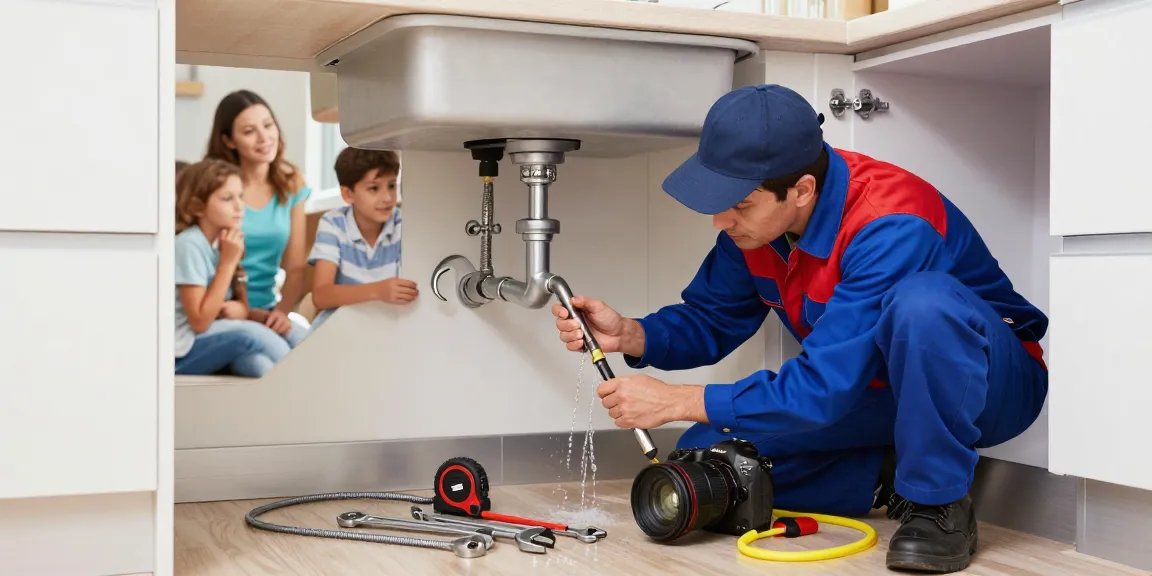
Understanding Plumbing Emergencies
Plumbing emergencies can strike at any time, often catching homeowners off guard. From severe leaks to complete pipe bursts, knowing how to react swiftly is crucial for minimizing damage. These emergencies require immediate attention, setting them apart from routine plumbing issues. Understanding what constitutes a plumbing emergency, recognizing the signs, and knowing the importance of prompt action can save homeowners significant stress and expense. When exploring options for emergency plumbing assistance in your area, read more here for comprehensive insights.
What Constitutes a Plumbing Emergency?
A plumbing emergency typically involves situations that require urgent action to prevent severe damage to property. This category includes burst pipes, overflowing toilets, severe leaks, and sewer backups. Each of these scenarios poses immediate threats not only to your home's plumbing systems but to the overall structural integrity of your property. Recognizing these emergencies is pivotal for every homeowner, as they directly impact health and safety.
Common Signs of Plumbing Issues
Identifying potential plumbing-related problems early can help in averting emergencies. Some common warning signs include:
- Unexplained water stains on ceilings or walls
- Sudden changes in water pressure
- Frequent clogs in sinks or toilets
- Strange noises coming from pipes (gurgling or hissing sounds)
- Foul smells, which may indicate a sewer issue
If you notice any of these signs, it’s advisable to consult a plumber before the issue escalates into a more serious problem.
The Importance of Immediate Action
Taking quick action during a plumbing emergency can significantly mitigate damage. For instance, shutting off the main water supply immediately can prevent further flooding and reduce water wastage. Additionally, quick repairs can save on extensive repair costs associated with water damage to walls, flooring, and personal belongings. In emergencies, every second counts, and knowing how to respond can lead to better outcomes.
Choosing the Right Emergency Plumber
Not all plumbing services are equipped to handle emergencies effectively. When faced with a crisis, it’s essential to choose a reliable emergency plumber. This choice can influence the total resolution time and the quality of service received. A skilled professional will assess the problem accurately, provide timely repairs, and ensure that further issues do not arise.
What to Look for in an Emergency Plumbing Service
When selecting an emergency plumbing service, consider the following factors:
- 24/7 Availability: Emergencies can happen at any time, so a reliable plumber should be available around the clock.
- Experience: Look for a service with a proven track record and experienced technicians.
- Online Reviews: Customer feedback can provide insights into the quality of service.
- Clear Pricing: Transparent pricing policies will help you avoid unexpected charges.
Key Questions to Ask Before Hiring
Before enlisting an emergency plumbing service, it is vital to ask specific questions to gauge their capability:
- What is your response time for emergencies?
- Are your technicians licensed and insured?
- Can you provide references or testimonials from previous clients?
- What warranties do you offer on your work?
Evaluating Credentials and Experience
Check the credentials of any plumbing service you consider. Technicians should hold relevant licenses and certifications. Experience in the field often correlates with the ability to handle complex plumbing emergencies effectively. A reputable plumber will also have insurance to protect both the client and themselves from liability during repairs.
Cost Implications of Plumbing Emergencies
Understanding the financial aspects of plumbing emergencies is crucial for homeowners. Costs can vary widely depending on the nature of the problem and the service provider. Knowing what to expect can help in budgeting for these unexpected situations.
Average Costs for Emergency Plumbing Services
The cost for emergency plumbing services can range from $150 to over $500, depending on the severity of the issue and the time of day. For instance, after-hours services typically incur higher fees. It's important to get estimates from multiple providers to ensure competitive pricing.
Factors That Influence Service Pricing
Several factors can impact the cost of emergency plumbing services:
- Time of Service: Weekends and holidays usually come with premium pricing.
- Complexity of the Problem: More complicated issues, such as major pipe replacements, can be costlier.
- Location: Prices may vary based on geographic location and local market competition.
How to Budget for Unexpected Plumbing Expenses
Creating a dedicated emergency fund for home repairs, including plumbing issues, can provide peace of mind. A good rule of thumb is to set aside 1-3% of your home’s value annually for maintenance and unforeseen repairs. Additionally, regularly scheduled maintenance can help in identifying potential issues before they escalate into emergencies.
Preventive Measures to Avoid Emergencies
While plumbing emergencies are sometimes unavoidable, regular maintenance and care can significantly reduce their occurrence. Homeowners should take proactive steps to keep plumbing systems functioning effectively.
Regular Maintenance Tips for Homeowners
Implementing a routine maintenance schedule can help prevent plumbing emergencies. Consider the following tips:
- Flush your drains regularly.
- Inspect pipes periodically for any visible wear or leaks.
- Be mindful of what goes down your drains; avoid disposing of grease and fibrous materials.
- Schedule professional plumbing inspections annually.
Common Plumbing Mistakes to Avoid
Many homeowners inadvertently contribute to plumbing issues through common mistakes, including:
- Ignoring minor leaks, which can worsen over time.
- Using chemical drain cleaners excessively, which can damage pipes.
- Neglecting to keep gutters and downspouts clear, leading to water buildup.
When to Call a Professional for Inspections
If you experience recurring plumbing issues, or if your home is aging, it may be time for an inspection by a qualified professional. They can identify underlying problems that might not be visible and recommend necessary repairs or upgrades.
Future Trends in Plumbing Services
The plumbing industry, like many others, is evolving. Several trends are shaping the future of plumbing services, coinciding with advancements in technology and changes in consumer expectations.
Innovations in Plumbing Technology
Technological advancements are revolutionizing plumbing services. Innovations such as trenchless technology for pipe replacement reduce the need for extensive digging, thus minimizing property disruption. Additionally, the use of cameras for inspection allows for accurate diagnostics without invasive procedures.
The Impact of Smart Home Systems on Plumbing
Smart home technology is making its way into plumbing systems. Devices like smart leak detectors can alert homeowners to potential issues before they escalate. Smart faucets and toilets are not only more efficient but can also offer data for better water management.
Predicted Changes in Service Delivery by 2026
By 2026, we expect to see more personalized service delivery options in plumbing. Companies may offer subscription services for regular maintenance, allowing customers to manage their plumbing health proactively. Furthermore, augmented reality could play a role in diagnostics, allowing plumbers to visualize underground pipes and predict potential failures before they occur.
What should I do in a plumbing emergency?
Immediately shut off the water supply to reduce damage and call a licensed emergency plumber to assess the situation.
How to identify a plumbing emergency?
If you experience significant leaks, sewage backups, or water pooling in your home, these are clear signs of a plumbing emergency.
What are average costs associated with emergency plumbing?
Costs vary based on the problem, but average fees range from $150 to $500, with additional charges for after-hours services.
How often should I have my plumbing inspected?
It is advisable to schedule a professional plumbing inspection at least once a year to catch potential issues early.